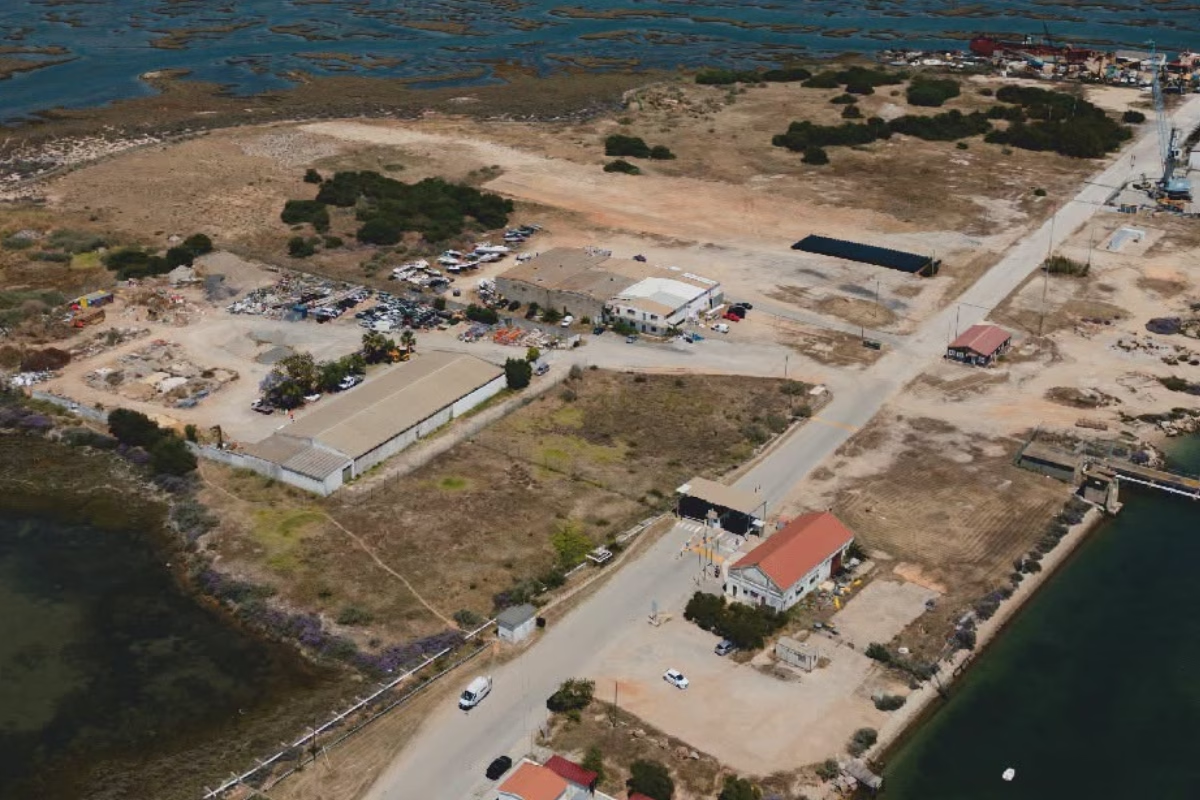
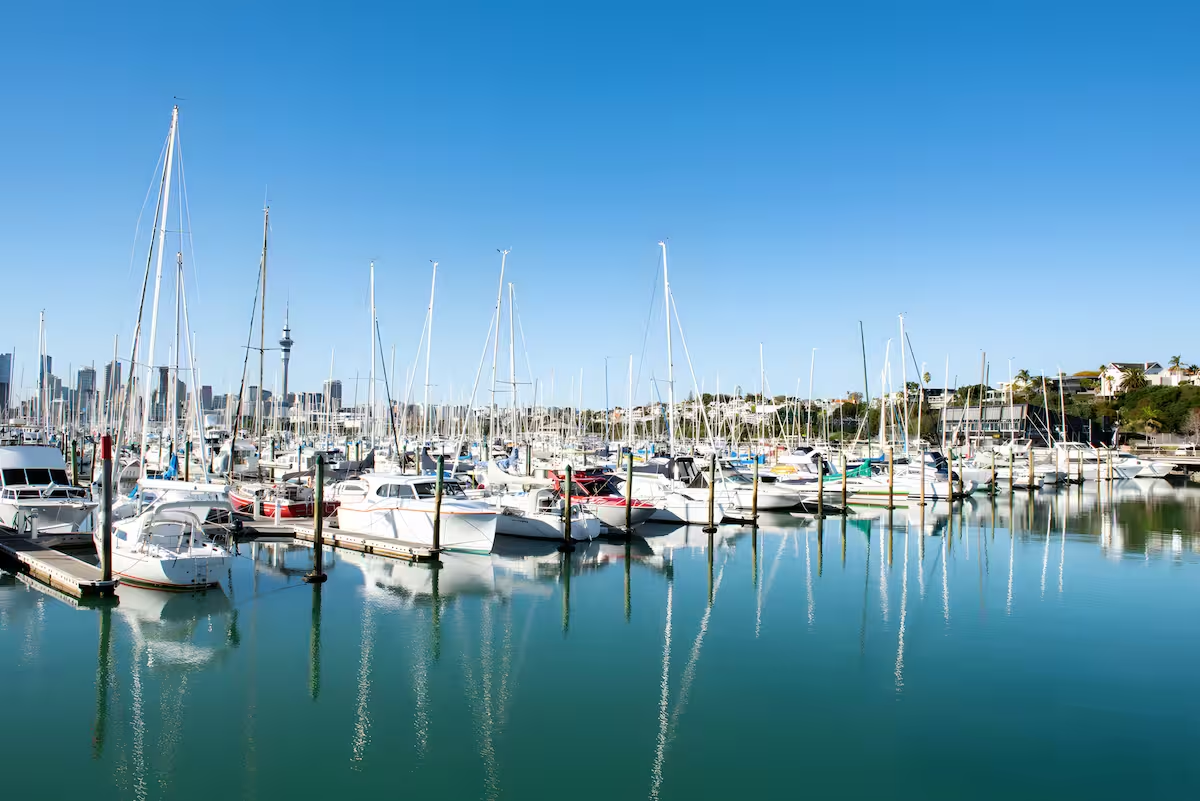
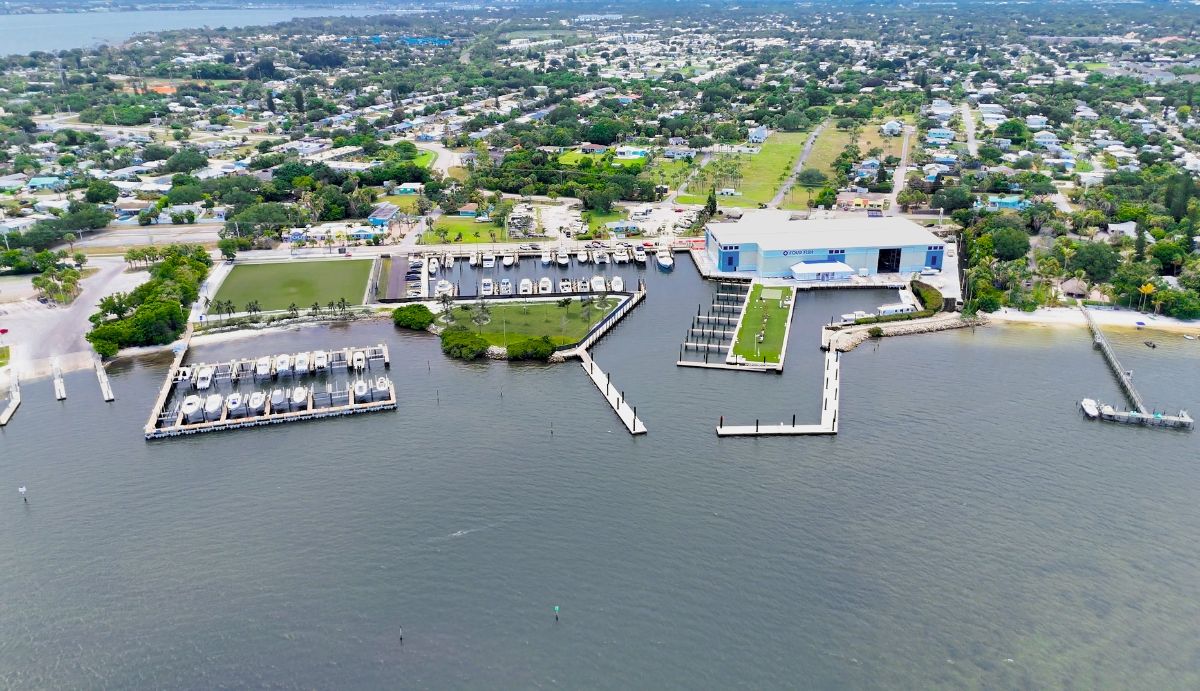
The US Virgin Islands government is reviewing a proposal for a hotel, marina and residential development on Water Island that would involve a minimum private investment of $300 million USD. Acting governor Tregenza Roach announced the proposal during a government house briefing on 1 June, with the project requiring legislative approval, environmental review and other regulatory clearances before construction can begin.
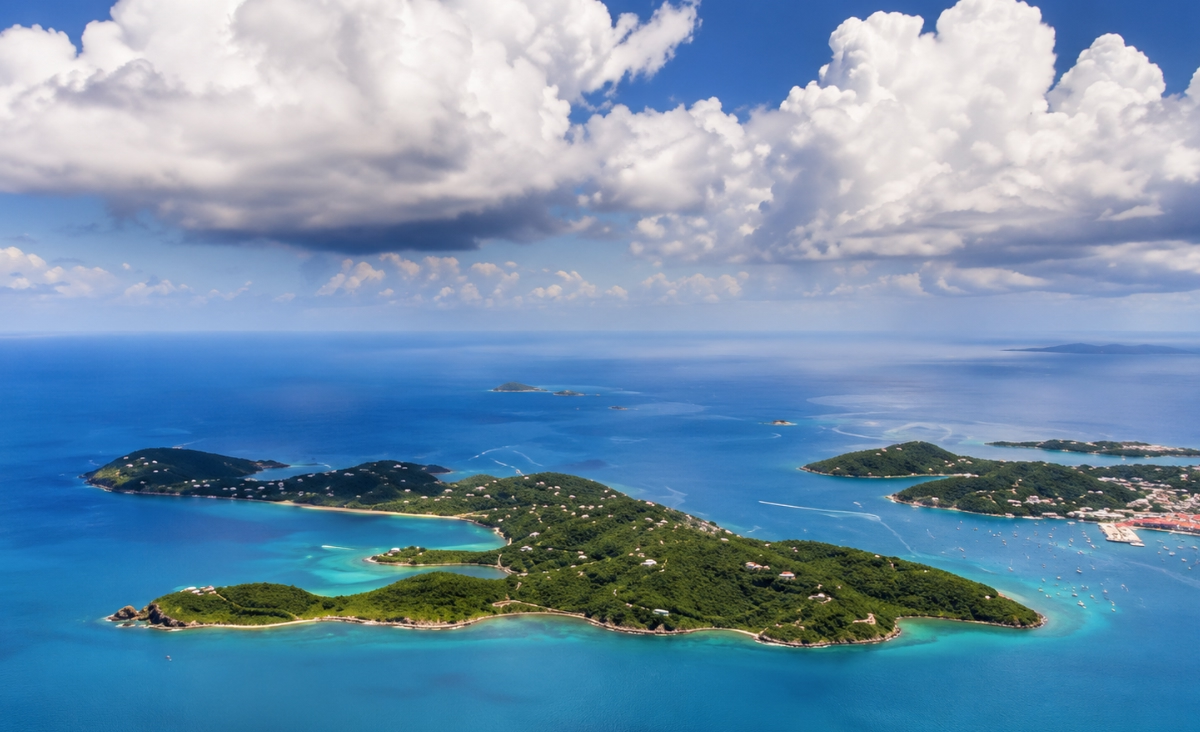
Under an amended lease agreement with Water Island Development Company, the project would include at least 88 hotel rooms, marina facilities, restaurants, retail space, spa amenities and up to 100 residential units on portions of government-owned land.
The proposal also includes infrastructure improvements valued at about $40 million, such as roads, drainage systems, potable water infrastructure, wastewater systems, utilities, solid waste facilities and marine infrastructure.
Government projections place the total investment at approximately $440 million, with the development expected to create about 200 construction jobs and around 300 permanent positions once the hotel and marina open.
Roach said: “The Water Island project is more than a resort. It is a development that combines tourism, infrastructure, employee housing and much-needed community investment.”
The proposal stems from a lease agreement first approved in 2014. The project did not progress as planned, leading the government to issue a termination notice in 2025 for non-performance. That notice was later withdrawn, and a revised agreement was reached with a restructured Water Island Development Company.
Under the revised proposal, some areas would be removed from the lease and returned to government control, including the Catchment Area and Tract C, known as Honeymoon Beach. The agreement also includes provisions for public ferry operations and continued public access at the Landing Parcel, including parking and restroom facilities.
The developer would be required to provide a $3 million performance bond through a government-approved financial institution to secure early-stage obligations, including obtaining the necessary permits and approvals.
If the development proceeds, the government would receive lease payments, hotel occupancy tax revenue, transfer tax revenue from residential sales and a six percent participation fee on residential unit sales.
Approval of the lease would not authorise construction, as the project remains subject to permits and approvals related to coastal zone management, submerged lands, marina facilities, environmental requirements and other regulatory processes.