The Tug Dominion was removed from Bremerton Marina following its sinking on 17 September. The 130-foot (40-metre) wooden vessel, built during World War II and privately owned, sank in the marina, prompting a coordinated environmental response.
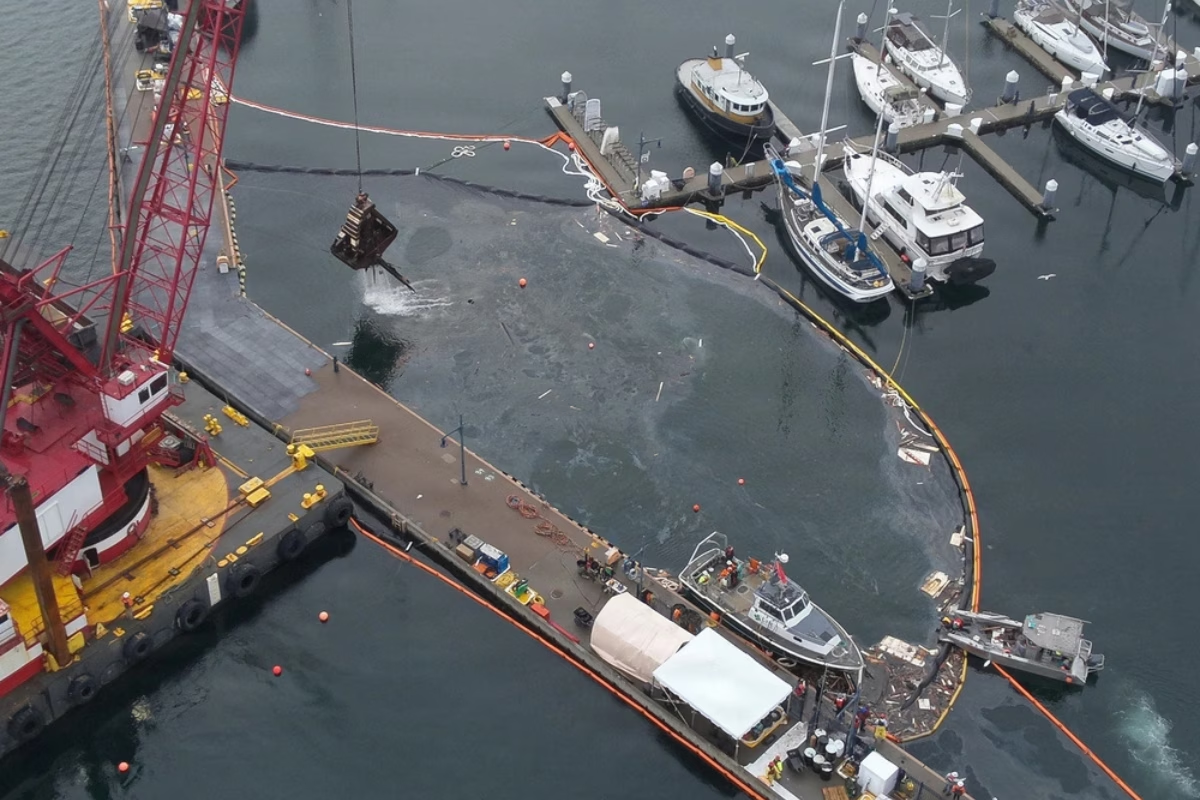
The operation was led by a unified command made up of the US Coast Guard, Washington Department of Ecology, Suquamish Tribe and the Port of Bremerton. Crews used booms, skimmers and absorbents to limit pollution.
Shoreline cleanup and assessment technique teams monitored nearby shorelines, while The National Oceanic and Atmospheric Administration provided scientific guidance throughout the process.
The response operation recovered approximately 22,018 gallons of oil/water mix, 190 tonnes of solid debris and 60 tonnes of metal. Crews also decontaminated 61 vessels in the marina. Contaminated debris was sent to a hazardous waste facility in Oregon for proper disposal. A debris curtain contained most of the oiled materials during the vessel removal, and minimal oil sheen was observed, which was classified as nonrecoverable.
Wildlife experts were present throughout the operation, and authorities reported that no affected wildlife or orcas were seen in the area. A small section of the containment boom will remain in the marina while crews finish removing equipment.

Dave Byers, State on Scene Coordinator for the Washington Department of Ecology, stated: “This incident serves as a reminder to boat owners to minimise the amount of fuel they store onboard. Oil is toxic to the aquatic environment and can cause harm to Washington’s environmental, cultural and economic resources.”
Lt. Cmdr. Sean DiGeorge, Incident Management Chief for US Coast Guard Sector Puget Sound, said: “The case showcased great coordination between federal, state, local and tribal governments. We came together in a unified command and overcame significant challenges to respond to a significant environmental threat.”
Jim Rothlin, CEO of the Port of Bremerton, added: “The communication efforts of the entire team truly contributed to the timeliness and the success of the project. We are extremely grateful for the participation and achievements of the entire unified command.”
Individuals and businesses affected by the incident may be eligible for compensation through the US Coast Guard’s National Pollution Funds Center Claims Division.
Images courtesy of US Coast Guard.