A UK-developed marina float system is emerging as concern grows over pollution caused by expanded polystyrene (EPS) used in pontoons worldwide.
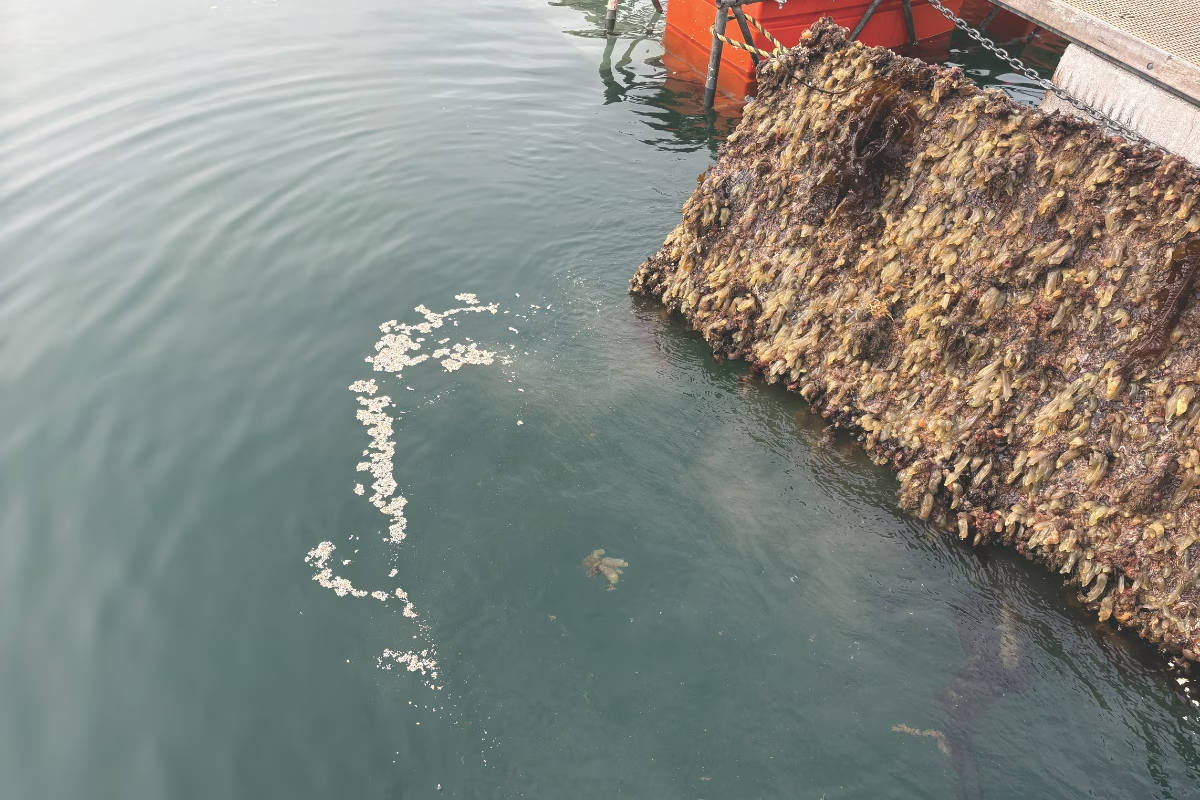
Since the 1970s, more than 10 million marina and pontoon berths have been installed globally, with most of them using EPS foam for buoyancy. As these structures age, outer concrete, plastic or textile layers can crack or deteriorate and allow seawater to reach the foam inside.
Once exposed, EPS breaks down into small white beads that disperse rapidly. A single float can contain around 20 million of these particles, which may persist in the marine environment for hundreds of years. The beads resemble food and are often swallowed by marine animals such as fish, crabs and turtles, which raises concerns about harm to wildlife and the wider food chain.
The problem becomes more visible during storms and flooding. Recent incidents include Holyhead in the UK and Brisbane in Australia, where severe weather caused pontoons to break free. These events are often described as “white spills”, a term used for large releases of EPS beads into the water.
Unlike oil pollution, EPS cannot be contained or recovered using standard clean-up methods. Once dispersed, the foam is extremely difficult to remove and causes long-term environmental impacts.

In response, a UK start-up has developed ReefFloat, a foam-free alternative for marina and pontoon use. The system uses a low-density foamed concrete core with a structural outer layer and eliminates the need for EPS. Despite the additional weight, it requires only up to 200 millimetres of extra depth to achieve buoyancy and improved stability.
Founder and managing director Toby Budd told Marina World that foam release from ageing pontoons is common in UK marinas, where EPS beads often collect in sheltered harbour areas.
According to Budd, the development focused on two priorities. The first was ensuring the material remains harmless in the marine environment if damaged or lost during extreme weather. The second was addressing disposal, which has become a growing concern for marina operators.
In the UK, concrete floats containing EPS are classed as hazardous waste and must be sent to specialist landfill sites. Disposal fees can exceed the cost of replacement floats, discouraging timely removal. ReefFloat has been designed so that, at the end of its working life, it can be crushed and reused as hard core material.
The ReefFloat team presented the concept at the Marina Pavilion during METS Amsterdam in November 2025, where feedback from marina owners and pontoon manufacturers highlighted concerns over EPS use and the lack of practical alternatives. The concept was also shortlisted for a DAME Design Award.
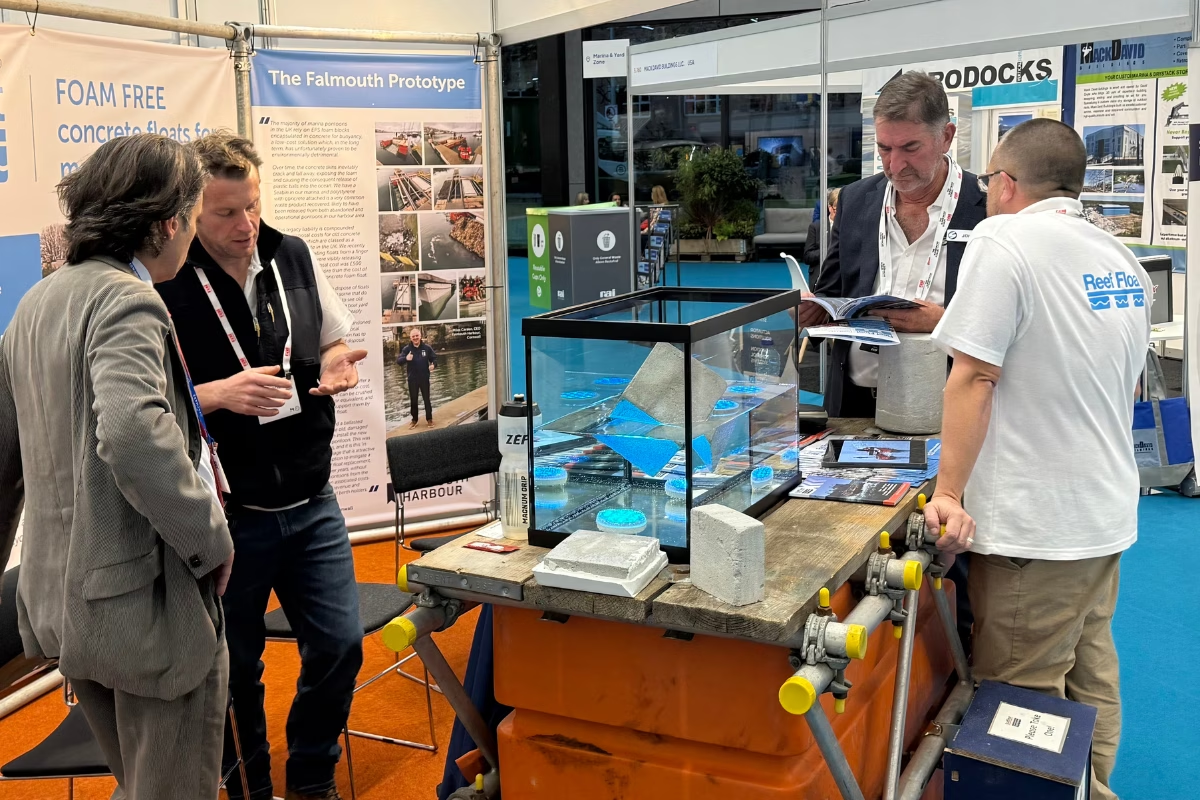
A pilot installation is now in place at Falmouth Harbour in Cornwall. The harbour authority has chosen not to install new foam-filled floats and intends to replace existing units as alternatives become available. The ReefFloat unit was installed last November on a finger pontoon, replacing a float that had been releasing EPS beads into the harbour.
Authorities in Australia are moving towards similar restrictions on foam-filled pontoons.
ReefFloat is currently assessed at Technological Readiness Level 7 and is working towards a certified commercial product by 2027 through ReefFloat Ltd, which is seeking seed investment to support further testing and approvals.
Images courtesy of ScaffFloat.