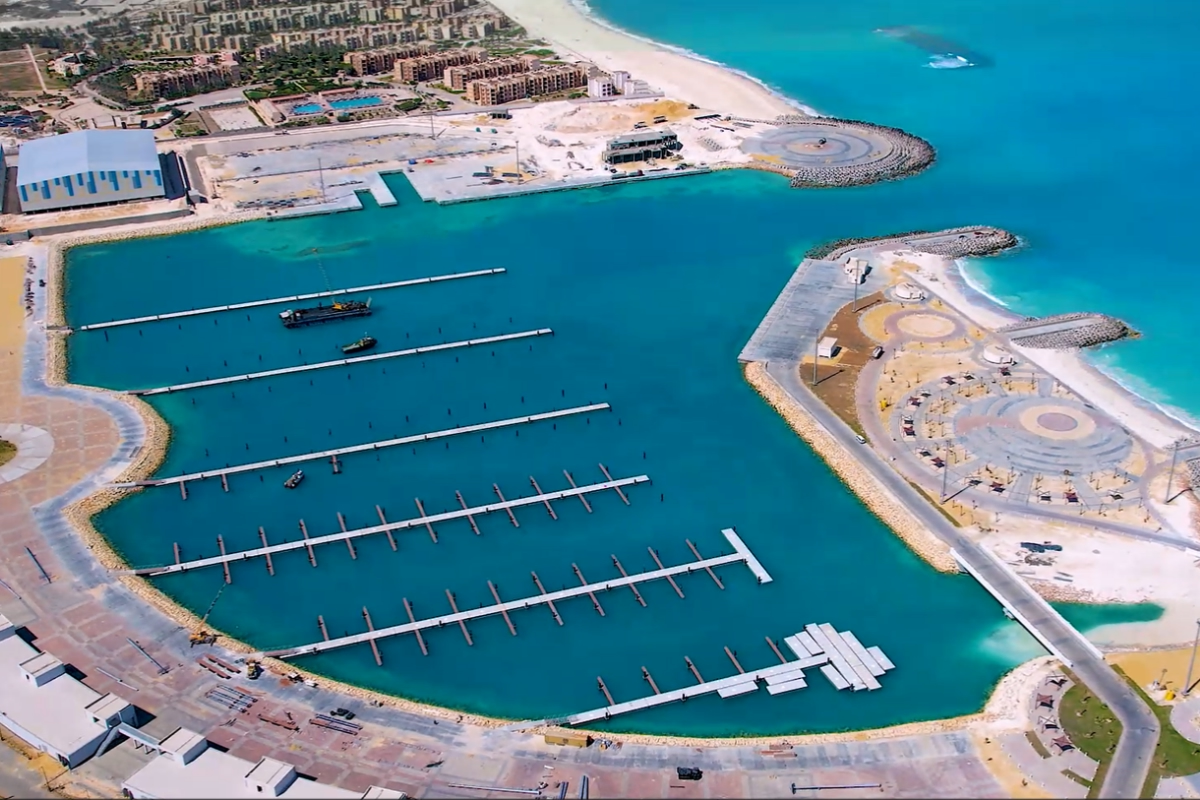
A new aesthetic is beginning to compete with the superyachts of Abu Dhabi, one that offers greater space, comfort and usability without compromising on privacy or luxury. Houseboats are becoming increasingly popular second homes not just in the UAE, but have started spreading to Bahrain and Qatar too.
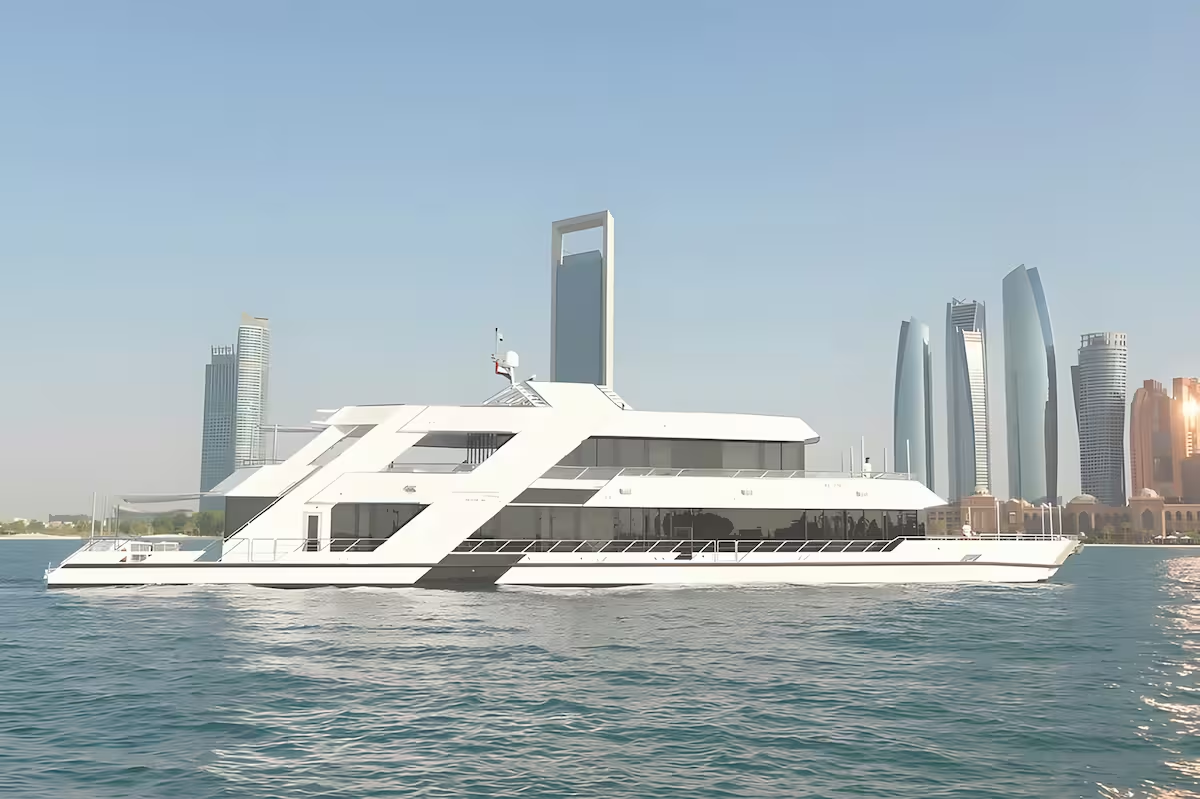
While Abu Dhabi is making waves in the recreational boating scene, it is also surprising in ways that have left marina developers, operators and planners rushing to adapt. Late last year, I checked in with several Abu Dhabi marina facilities ranging from modest docks to prestigious superyacht facilities. What struck me wasn’t just the gleaming superyachts or the turquoise waters of Abu Dhabi, but a recurring, unexpected sight: floating, double-decker barges with a boxy, modern exterior and wide, floor-to-ceiling windows.
Despite taking the spot of a yacht berth (or two), the new aesthetic clearly did not resemble traditional yachts, nor did they look like commercial boats. But their presence was unmistakable and ubiquitous. These were “houseboats”, and marina managers are looking for ways to cater to this new marina user type and their operational requirements as this market segment continues to grow.
Houseboat construction is predominantly by local and UAE-based manufacturers who tailor these vessels to suit regional preferences and cruising conditions. Typical models currently range from 15-50 metres in length, typically with twin outboards on catamaran or trimaran hulls. These floating second-residences, office or event spaces are designed with comfort and stability in mind.
Mohammed Aloklah, Project Manager and Supervisor at Al Kous Marine — one of Abu Dhabi’s leading houseboat producers — offers some insight: “We’ve built over 80 houseboats so far and currently have 11 under construction, including the largest in the world at 52 metres,” he says. “Most of our clients are from the Gulf region, especially the UAE, but interest is growing internationally. What appeals most is the freedom, privacy and luxury these boats offer. They’re more spacious than yachts, giving owners more room, comfort and usability without feeling tight or limited.”
In many cases, houseboats rarely leave their berths. Instead, they serve as stationary second homes, or perhaps a modern interpretation of the majlis, the traditional Arab gathering space where families and friends come together to relax, converse and enjoy each other's company. Other houseboats look like satellite offices or commercial units, reflecting the diverse range of functions these vessels can serve.
Abu Dhabi’s extensive network of calm channels and protected islands creates ideal conditions for houseboating, where wave action is minimal and long-distance offshore capability is less critical. Whether moored or slowly cruising the serene waterways, these vessels appear to be resonating with the lifestyle aspirations of many local boaters.
Growth and growing pains
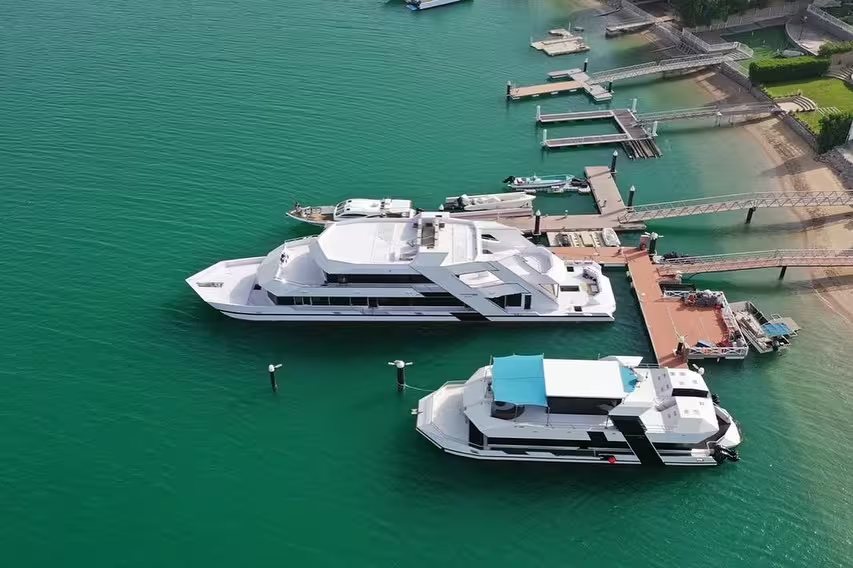
Unsurprisingly, houseboats present challenges to marina facilities designed and styled for yachts. For developers, the boxy pre-fabricated aesthetic clashes with the idyllic imagery of a luxury marina landscape and high-end destination. For other marina tenants, the addition can create a new dynamic or stigma. For marina operators and planners, the multihull designs make houseboats difficult to berth in conventional marina layouts designed for monohull yachts. Meanwhile, the increased beam often requires reconfiguration of dock spacing or results in inefficient use of premium berth space. Additionally, the demand on marina utility infrastructure often surpasses the available capacity at the berth and across the facility.
Ronald Rodrigues, manager at Hidd Al Saadiyat Marina in Abu Dhabi, confirms the growing interest but also highlights operational concerns: “Space is a limiting factor. These vessels are wide and only fit certain berths. From an operational standpoint, they pose challenges. Many lack proper electrical certifications or holding tanks since there’s no formal regulation for houseboat construction yet.”
Despite these obstacles, the momentum is undeniable. Today, every marina in Abu Dhabi hosts houseboats. In one of the most exclusive marinas in the city, houseboats now occupy more than half the available berths for large superyachts. Across the emirate, they account for a small yet steadily growing share of total demand. The trend is even beginning to extend into Dubai, Bahrain and Qatar, although their more open and wave-exposed waters present limitations to widespread adoption.
Planning for the future
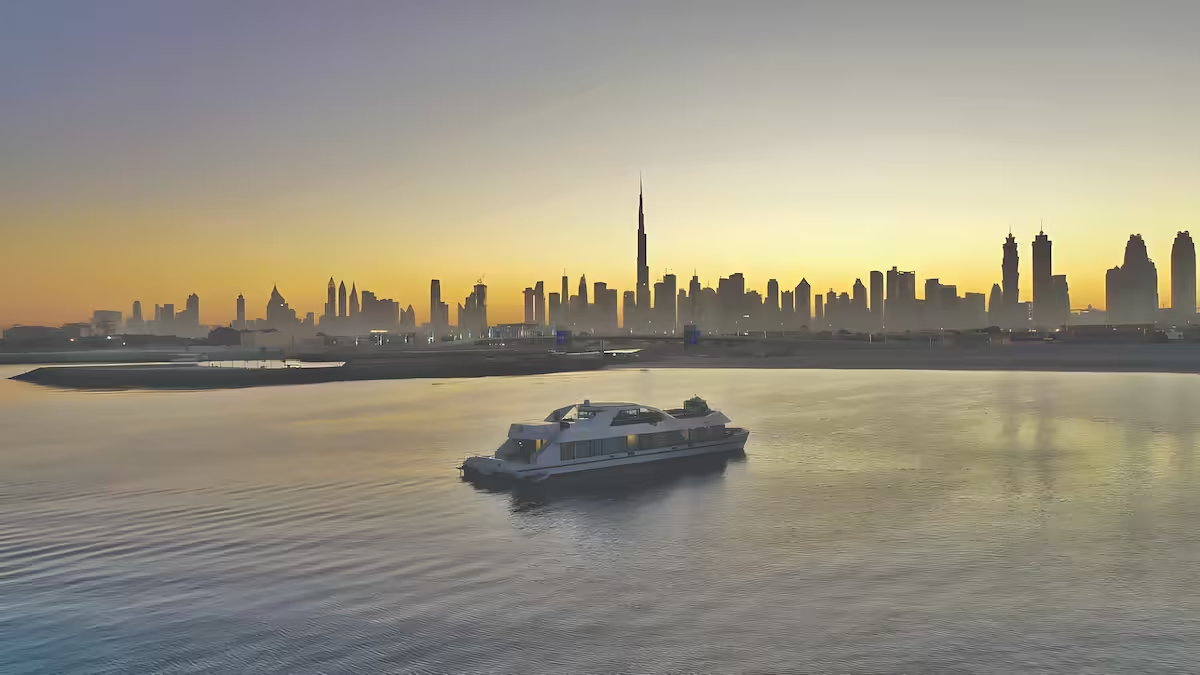
The emergence of houseboats in Abu Dhabi serves as an important reminder that effective marina planning begins with an understanding of local conditions, trends, demographics and fundamental principles. It is not enough to rely on standardised templates, uninformed assumptions or attractive global benchmarks to replicate.
It is the duty of planners and consultants to engage with the nuances of local boating culture and regional preferences, as well as to communicate effectively with owners to craft a realistic vision for the marina property and its probable use. By offering variety and flexibility in marina design, planners can better position developments to stay agile and accommodate unforeseen trends and evolving customer demands.
This case study illustrates the value of building adaptability into marina infrastructure. By remaining attentive to evolving patterns and open to innovation, planners can create waterfronts that are not only functional but also reflective of the communities they serve. In a dynamic industry like recreational boating, adaptability is not just a design principle — it is a strategic imperative.
This article was also published in issue 151 of Marina World magazine. Click here to read the online version.

.avif)