





Marinova Floating Systems and Rolec are working together to support the next stage of marina development across the Middle East, bringing floating infrastructure, marina services and digital applications into a coordinated approach. With collaboration already taking shape at El Alamein New Marina and further projects in the pipeline, the companies are looking at how better integration can make marinas easier to build, operate and use.
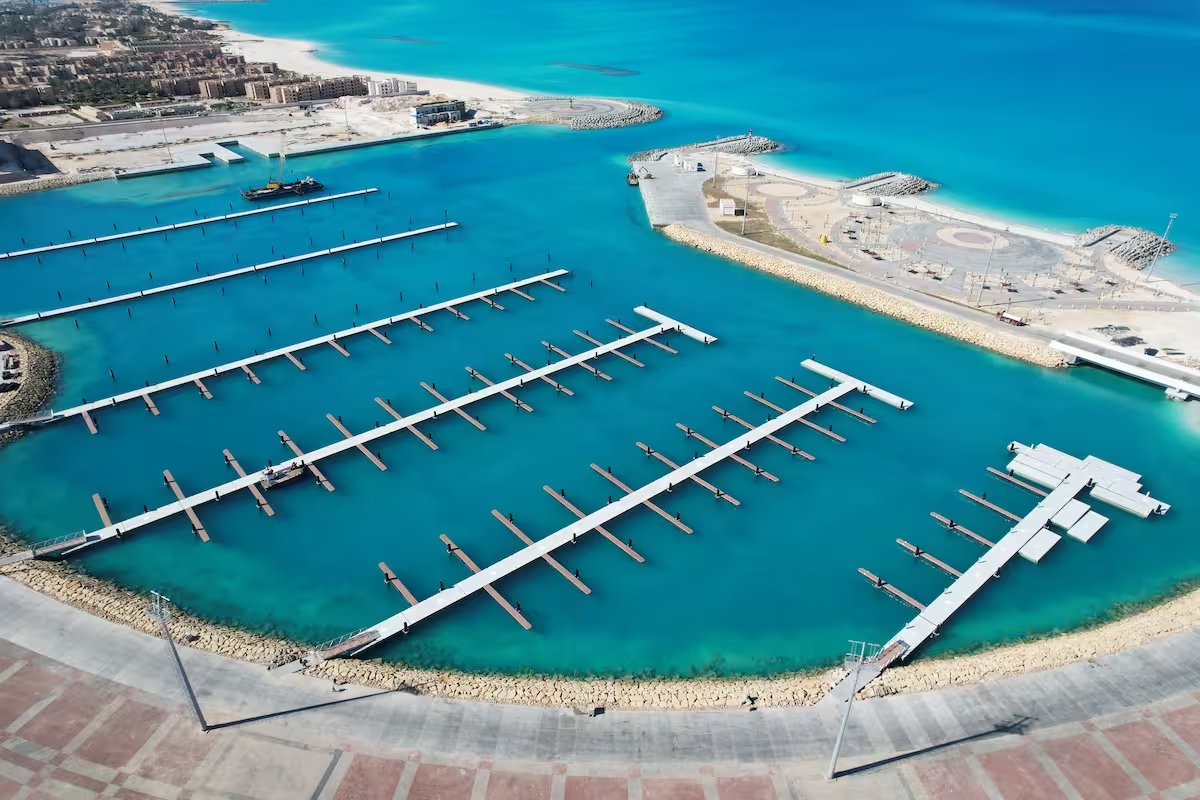
Marinova brings engineering, manufacturing and marine construction, with operations in the Netherlands and Egypt. Rolec brings its marina power, water and service management technology. Their shared focus is practical: combine the floating marina and its utilities early in the design, then make everyday tasks straightforward for berth holders and marina teams.
For developers, the attraction is having marine structures, service equipment and local delivery considered within the same conversation. Marinova’s presence in Egypt gives the collaboration a practical link to regional project teams, while Rolec contributes experience in marina services. Together, they can address questions that cross the usual boundary between dock construction and utility provision.
Egypt’s boating sector gains momentum
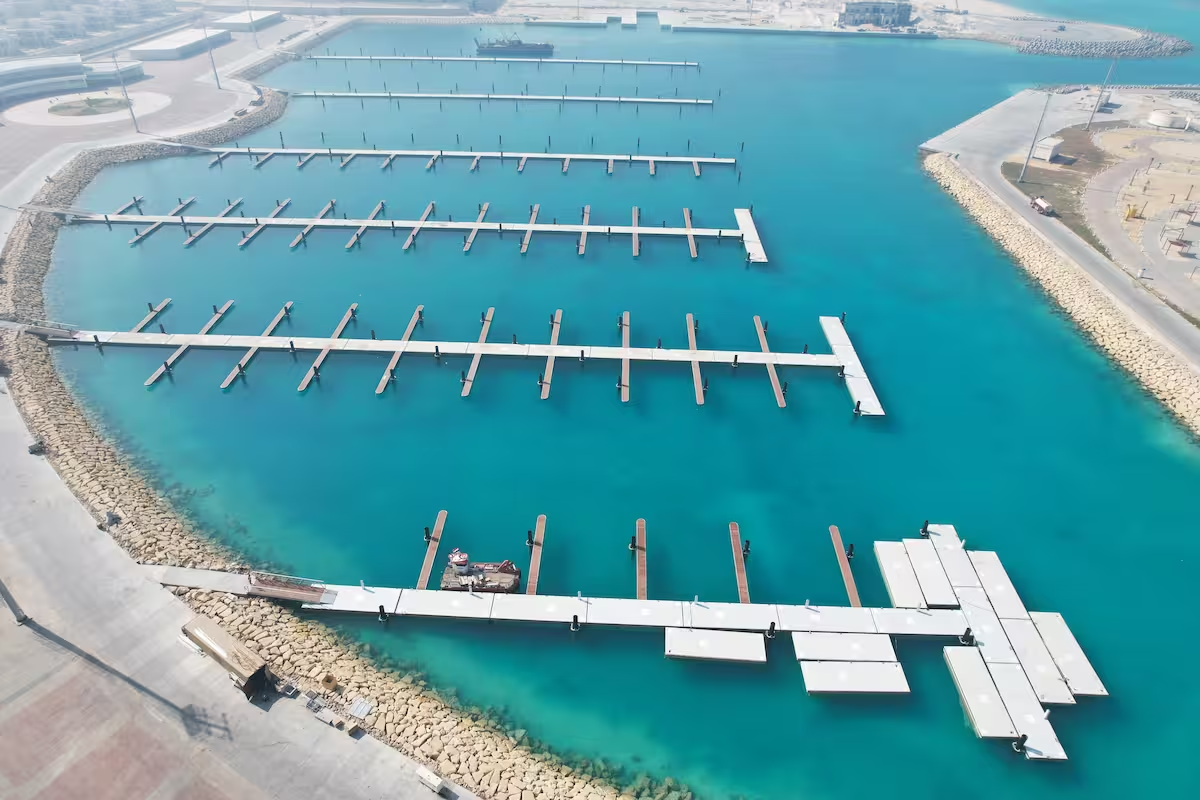
Egypt provides a timely starting point. New coastal destinations and investment in waterfront communities are creating fresh opportunities for boating, yacht tourism and marina development. The North Coast is attracting particular attention, while the Red Sea and Gulf of Suez offer their own settings for waterfront projects.
Important projects include El Alamein New Marina, SouthMED and Ras El Hekma on the North Coast, as well as Marassi Red by Emaar and Tatweer Misr’s marina development at IL Monte Galala. These developments point to a growing place for marinas within Egypt’s tourism and residential landscape, with boating becoming part of the experience offered by larger destinations.
For the marine sector, that means thinking beyond the number of berths. A successful marina needs reliable shore power, accessible water supplies, clear service information and equipment that operators can maintain. These details shape the experience of arriving, connecting and spending time on the water.
Building on El Alamein
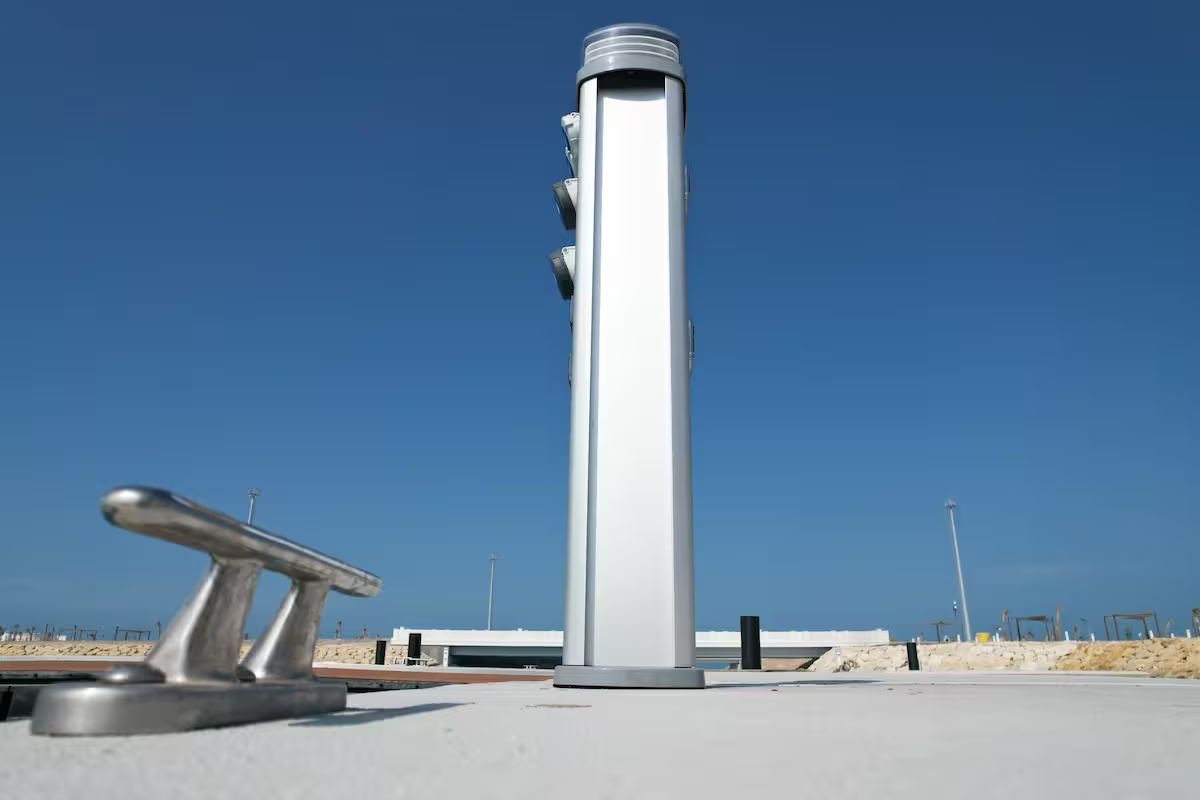
El Alamein New Marina provides a practical example of the collaboration. The project brings together Marinova’s concrete floating pontoons, mooring fingers, gangways and marina equipment with Rolec service pedestals, showing how the two companies’ capabilities meet at berth level.
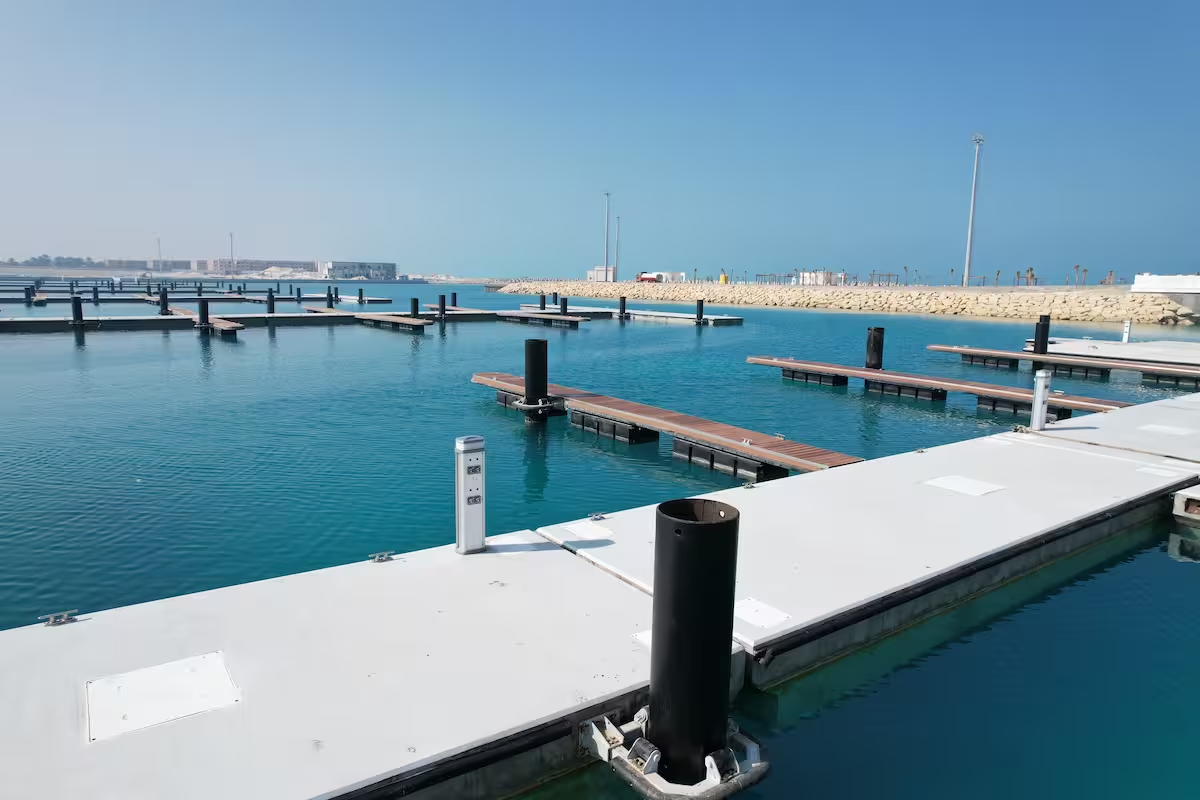
At El Alamein, the mix of concrete walkways, composite finger decks, mooring fittings and service pedestals makes that connection visible. Each component has its own function, but the quality of the marina experience depends on how comfortably people can move between them and use them together.
On a marina walkway, the details need to work together. Pedestals must sit where they can be reached without obstructing circulation. Utility routes need to suit the pontoon arrangement, while access for maintenance has to be considered alongside fenders, cleats and mooring equipment. Treating these as connected design decisions can help avoid awkward interfaces later.
This is central to Marinova’s approach. The company designs, engineers, develops and builds floating systems, bringing the structure and its practical installation into the same delivery process. Working with Rolec adds marina services expertise to that process, connecting the floating infrastructure to the daily requirements of boats and their crews.
The work at El Alamein also creates a useful foundation for future projects. Experience gained through installation and service coordination can inform the next layout, the next equipment selection and the next conversation with a marina operator.
Making marina services easier to use
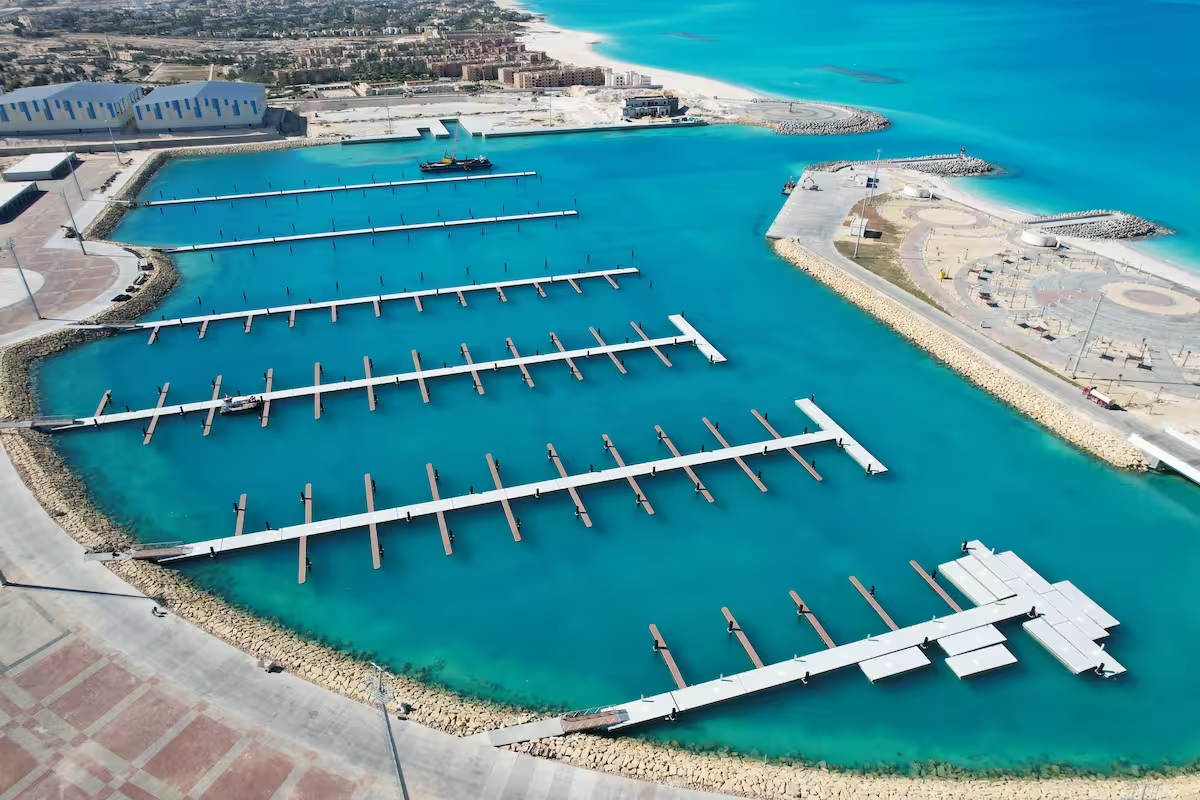
Another part of the relationship concerns what happens after a boat has berthed. Marinova is supporting the localisation of smart payment systems and developing applications intended to make marina services easier to access and manage in regional markets.
The aim is to make digital services fit local operating conditions: how customers pay, how services are activated, what information they receive and how marina staff follow usage. Language, payment methods and the way an operator organises its business all matter when adapting a system for a new market.
That work connects physical equipment with the customer experience. A well-positioned pedestal is one part of the service; a clear process for accessing electricity or water is another. Bringing the two together can make routine interactions more convenient for visitors and easier for staff to oversee.
The ambition is to give boat owners a consistent experience, whether they are arranging a short stay or returning regularly to the same berth. For operators, the corresponding goal is better visibility of service use and a simpler way to handle customer enquiries, with applications designed around the marina’s actual operating routines and its local market.
Different marinas will need different levels of technology. Some operators may prefer straightforward visual metering, while others want connected service controls and more detailed management information. The approach is to match those choices to the project, with room to develop services as the marina grows.
A wider regional pipeline
Beyond El Alamein, Marinova’s wider pipeline includes Somabay, Salt Marina and El Fayrouz. These opportunities bring different locations, vessel mixes and operating expectations, offering scope to apply the same coordinated approach while adapting the equipment and layout to each site.
Looking across the Middle East, the intention is to build on that project experience and offer developers a connected route from design to delivery. Floating docks, berth access, anchoring and marina utilities can be considered together, supported by an understanding of local construction and operating requirements.
Support after installation is part of that picture. Operators need to know how to maintain equipment, identify faults and arrange assistance when something requires attention. Design and equipment selection can support those needs from the beginning, including access to service components and a clear understanding of how the marina’s systems fit together.
Next steps at Metstrade
Marinova and Rolec are also planning to share a booth at the Egypt Boat Show, bringing their combined offering to conversations with developers, operators and the boating community. The joint presence will provide an opportunity to discuss projects, explain how floating infrastructure and marina services work together, and explore what prospective clients need.
With both Marinova and Rolec attending Metstrade, the teams will meet to coordinate upcoming projects and plan the next phase of their collaboration across the Middle East.


